Scaling the Agri-SME Frontier
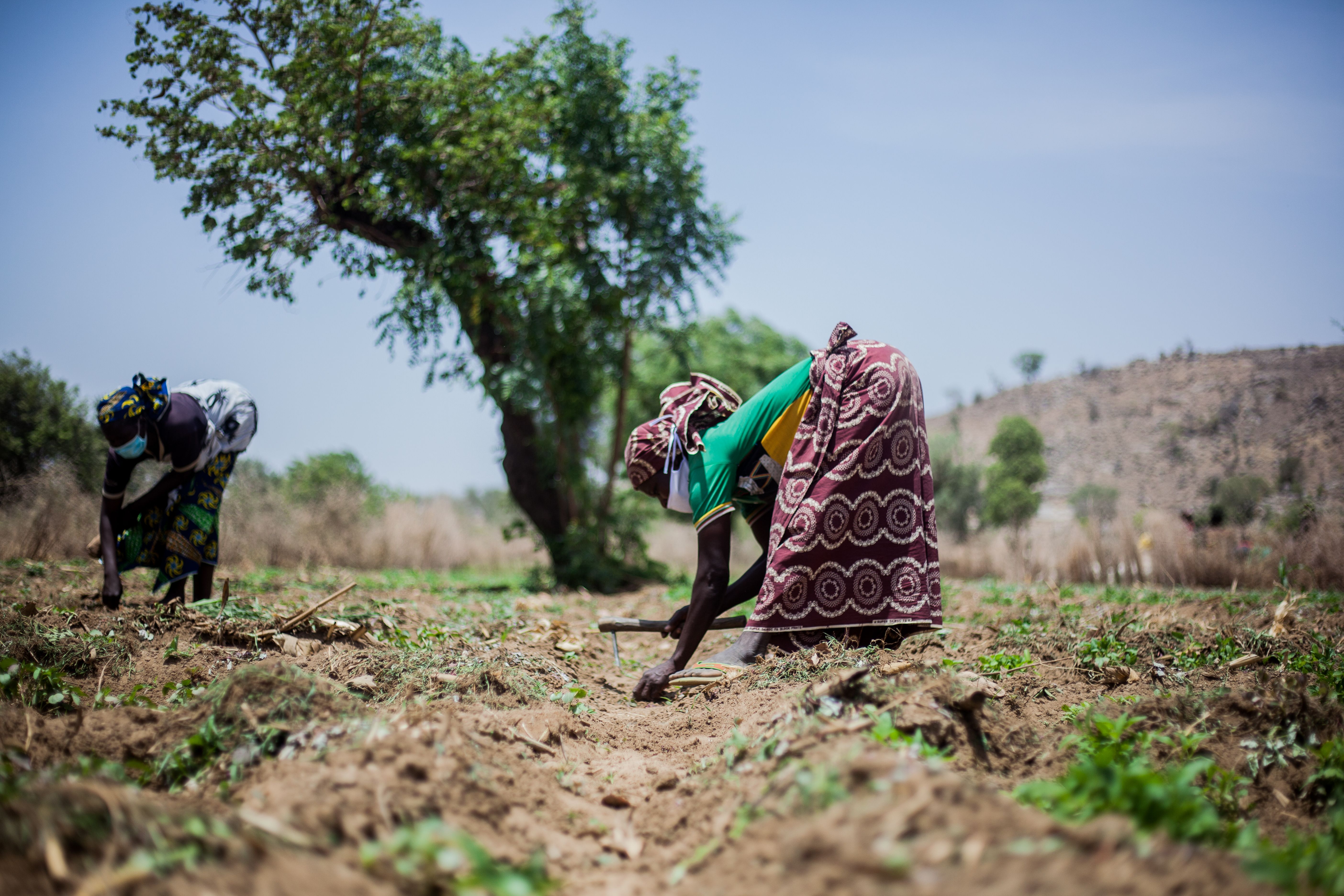
The agricultural landscape in sub-Saharan Africa is undergoing a structural shift as institutional capital moves beyond traditional large-scale farming to target the missing middle of the value chain. The Mastercard Foundation Africa Growth Fund has recently intensified its commitment to this sector, launching an Agribusiness Challenge Fund that provides grants ranging from five hundred thousand to two point five million dollars. This initiative is specifically designed to support small and medium-sized enterprises in Kenya, Rwanda, Tanzania, Ghana, and Nigeria, addressing the persistent productivity bottlenecks that have historically hindered regional food security.
The Economics of Value Chain Integration
For investors and operators, the focus on agri-SMEs represents a strategic pivot toward local processing and distribution. Historically, African agricultural output has been hampered by poorly integrated value chains, where post-harvest losses often exceed thirty percent. By providing capital to SMEs that manage storage, processing, and logistics, the fund aims to create a more resilient ecosystem. These businesses act as the vital link between smallholder farmers and urban markets, ensuring that quality inputs, such as fertilizers and improved seeds, reach the field while finished products reach the consumer with minimal spoilage.
Risk Mitigation and Operational Hurdles
Despite the influx of capital, the operational risks remain significant. Agri-SMEs in these markets face volatile climate conditions, inconsistent energy supply, and fragmented regulatory environments. The Mastercard Foundation’s model attempts to mitigate these risks by disbursing funds over a three-year period, allowing for performance-based milestones. This structure forces operators to demonstrate scalability and financial discipline, moving away from the grant-dependency culture that has plagued previous development efforts. Investors are watching closely to see if this model can successfully transition these SMEs into bankable entities capable of attracting commercial debt in the future.
The Path Toward Regional Food Sovereignty
Looking ahead, the success of this initiative will be measured by its ability to foster regional trade. As the African Continental Free Trade Area continues to evolve, the ability of SMEs to move goods across borders will be the ultimate test of their viability. The current focus on the five target countries is a pilot for a broader continental strategy. If these businesses can prove that they can operate profitably while scaling their impact, it will likely trigger a secondary wave of private equity interest, further professionalizing the sector and reducing the continent's reliance on imported food staples.
Industry Discussion
Share your perspective and engage with fellow industry professionals. Constructive debate strengthens our understanding of the forces shaping African industry.
Join the Debate
No comments yet.
Be the first to present your perspective and start the debate.
Continue Reading