A Maritime Engine for Provincial Growth
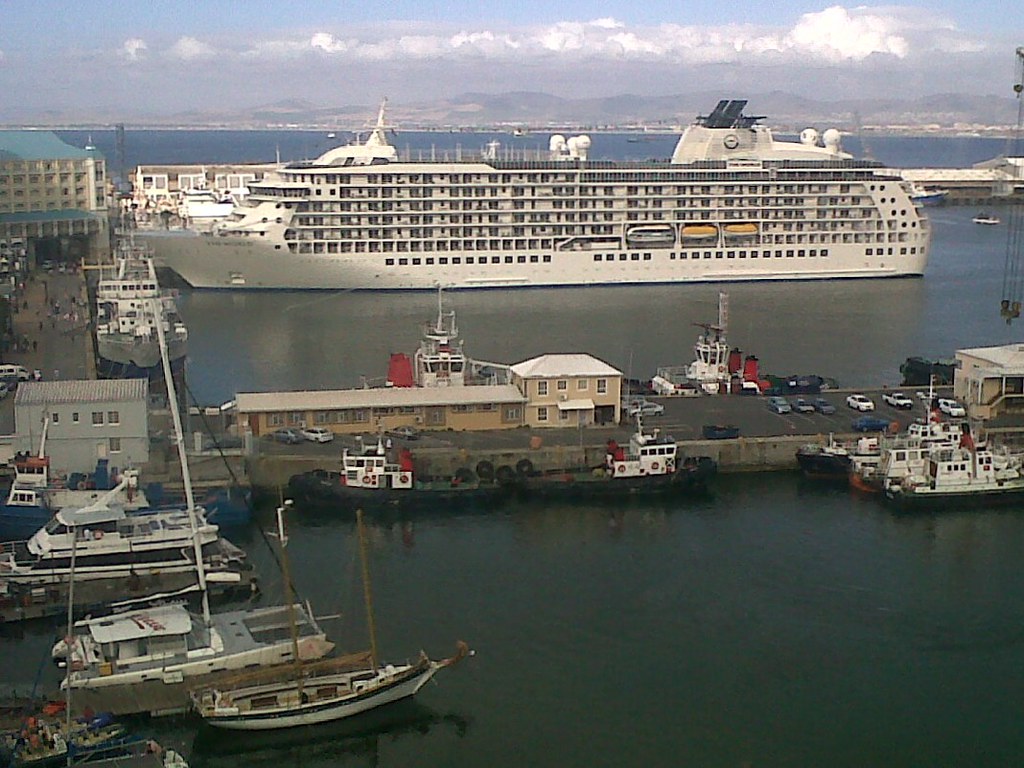
The Western Cape is witnessing a sustained economic windfall from the cruise tourism sector, which has contributed a cumulative R5.7 billion to the province's gross domestic product over the past four seasons. This figure, revealed in a new economic impact study by StratEcon presented at the Cruise Cape Town Annual Review 2026, underscores the strategic importance of maritime travel in the region's broader economic recovery. The 2026/27 cruise season is currently underway, with local authorities expecting continued momentum as international travel flows stabilize. The 2025/26 season alone saw the Port of Cape Town and regional harbours welcome 64 vessels, 106,240 passengers, and 37,200 crew members, delivering R1.35 billion to the provincial GDP. This performance is particularly notable given that the Port of Cape Town was named Africa's Leading Cruise Port at the World Travel Awards for the fourth consecutive year.
Strategic Alignment with Job Creation
The success of the cruise industry is a direct manifestation of the Western Cape Government's Growth for Jobs Strategy. According to Ivan Meyer, the MEC for Agriculture, Economic Development and Tourism, the sector has generated R2.76 billion in household income during this period. By creating jobs across the value chain, from port logistics and hospitality to local retail and transport services, the cruise industry has become a vital source of foreign exchange and employment for the province. Over the four seasons from 2022/23 to 2025/26, the sector supported 7,875 annual full-time equivalent jobs and contributed R791 million to the national fiscus. In the 2025/26 season specifically, the industry supported 1,700 full-time equivalent jobs in the Western Cape and 2,151 nationally, with total industry expenditure reaching R1.47 billion.
Regional Divergence and Connectivity
While the Western Cape thrives, the broader global tourism landscape remains uneven. According to the World Bank's November 2026 Tourism Watch, regional performance is increasingly divergent, with the Middle East and North Africa experiencing a 1% decline in the second quarter of 2026. This highlights the competitive advantage held by regions that have successfully invested in connectivity and infrastructure. Tourism leaders meeting at the Intergovernmental Committee of Senior Officials and Experts in Windhoek earlier this month emphasized that Africa's ability to capture high value travelers depends on simplified visa procedures and improved air connectivity. Despite cancellations during the 2025/26 season due to the ongoing conflict in the Middle East, international passenger numbers in the Western Cape remained above 2022/23 and 2023/24 levels, proving the resilience of the local market.
The Path to Sustained Expansion
For operators and investors, the challenge lies in maintaining this growth trajectory amidst global economic uncertainty. The Western Cape's model demonstrates that targeted investment in port facilities and marketing can yield significant returns. World cruises remain the largest contributor to GDP, while ship calls at smaller harbours including Mossel Bay, Hermanus and Saldanha Bay generated a further R11.2 million in visitor spending during the 2025/26 season. However, the sector must navigate the complexities of changing consumer preferences and the need for sustainable tourism practices. The integration of cruise tourism into the wider provincial economy remains a priority, with stakeholders focusing on ensuring that the benefits of the sector are felt by local communities and small businesses. Critics often point to the seasonal nature of the industry and the reliance on international demand as potential risks, yet the data suggests that the multiplier effect of cruise tourism provides a robust buffer for the local economy.
Looking Ahead
The industry is now looking toward the remainder of the 2026/27 season to gauge the full impact of recent infrastructure upgrades. The season officially commenced on September 17, 2026, with the arrival of the Pacific World. Investors should monitor the upcoming quarterly tourism performance reports from the Western Cape Department of Economic Development, which are expected to provide further data on visitor spending patterns and employment metrics. As the province prepares for the peak summer months, the focus remains on maximizing the economic multiplier effect of every cruise ship docking in Cape Town. Stakeholders are also watching for further developments in the 2025/26 economic impact study findings, which highlighted that the season recorded the second highest number of embarking and disembarking passengers to date, signaling a strong foundation for future growth.