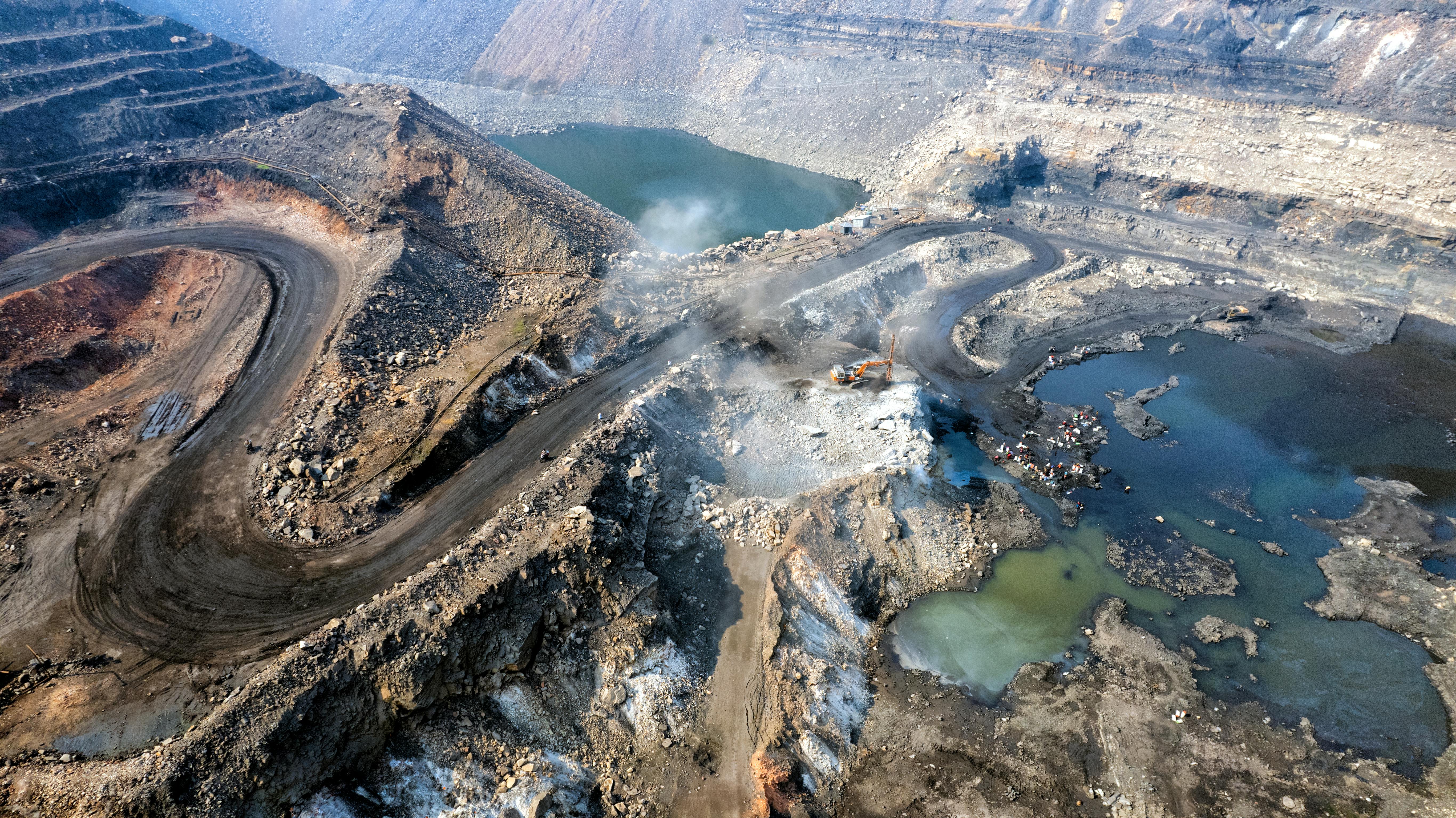
Photograph: International Institute for Environment and Development / Wikimedia Commons (CC BY 2.5)
Regulatory Reform in the Heart of Africa
The Democratic Republic of Congo, the world’s largest cobalt producer, is currently navigating a complex period of regulatory reform that is reshaping the global supply chain. As the government seeks to increase its share of mining assets and enforce stricter transparency, international operators are finding themselves in a delicate position. The recent push for greater state involvement, led by entities like Gécamines, has created a new reality for companies that have long dominated the region’s mineral output. This shift is not merely about taxes; it is about the fundamental control of the value chain in an era where cobalt is essential for the global energy transition.
The Impact on Global Supply
The tension between the DRC’s desire for resource sovereignty and the needs of international battery manufacturers is palpable. With major players like Glencore seeing output fluctuations, the market is increasingly sensitive to any regulatory changes in Kinshasa. The partnership between the DRC’s Entreprise Générale du Cobalt and US-based EVelution Energy to supply cobalt sulfate to an Arizona plant highlights the ongoing struggle to keep processing stages within the country. While the DRC aims to move up the value chain, the reality is that much of the advanced processing still occurs in the United States or China, leaving the DRC to negotiate its role in a highly competitive global market.
Investor Skepticism and Legal Risks
The rise in international arbitration claims against African states, including those in the mining sector, serves as a warning for investors. The DRC’s mining reforms have been met with skepticism by some, who fear that the new rules could lead to prolonged disputes or operational delays. Investors are closely watching how the government handles existing contracts, as any perceived breach of stability clauses could deter future capital. The challenge for the DRC is to implement these reforms without triggering a flight of capital, which would only serve to weaken its position in the global market.
Future Outlook
As the SADC region continues to develop its critical minerals strategy, the DRC remains the linchpin. The success of its mining sector will depend on its ability to foster a transparent and predictable environment that encourages long-term investment. Observers should watch for any further updates on the implementation of the new mining code and how the government balances its relationship with both Western and Chinese investors. The path forward is narrow, requiring a delicate balance between national interests and the demands of the global energy transition.
Industry Discussion
Share your perspective and engage with fellow industry professionals. Constructive debate strengthens our understanding of the forces shaping African industry.
Join the Debate
No comments yet.
Be the first to present your perspective and start the debate.
Continue Reading