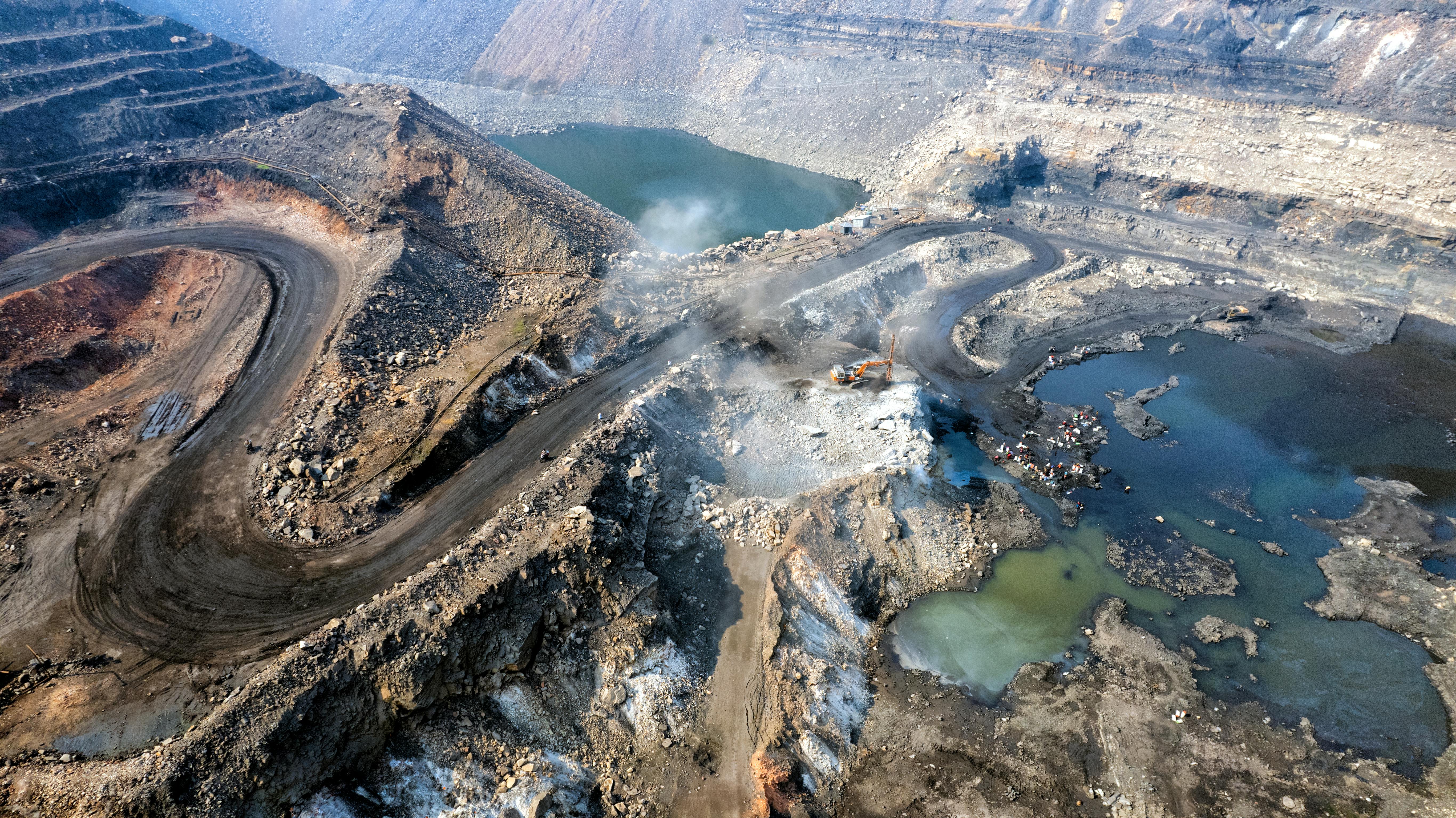
Photograph: Kevin Walsh / Wikimedia Commons (CC BY 2.0)
The High-Stakes Pivot to Domestic Beneficiation
Zimbabwe’s ambitious push to transform its lithium sector from a raw material exporter into a regional battery-materials hub is entering a critical phase. With the government’s firm deadline of January 1, 2027, for a total ban on the export of lithium concentrates approaching, the mining industry is caught between the state’s industrialization mandate and the harsh realities of capital-intensive infrastructure development. The policy, which aims to replicate the success of Indonesia’s nickel-processing model, is designed to force foreign investors to move beyond extraction and into the production of higher-value intermediates like lithium sulphate.
The pressure is mounting on major players, including those backed by Chinese capital, to prove they can meet the government’s timeline. While the state remains steadfast in its commitment to capturing greater economic value, the industry is signaling that the current fiscal environment is hindering the rapid deployment of the necessary processing facilities. The tension between the state’s sovereignty over its mineral wealth and the operational requirements of global mining firms has become the defining feature of Zimbabwe’s mining landscape as 2026 draws to a close.
Fiscal Hurdles and the Call for Reform
Mining houses, led by major operators such as Zhejiang Huayou Cobalt and Sinomine Resource Group’s Bikita Minerals, are increasingly vocal about the cumulative tax burden they face. In recent submissions to the Treasury, these companies have argued that the current fiscal regime, characterized by a flat-rate 7 percent royalty and various export taxes, creates a form of double taxation that threatens the viability of their multi-million dollar investments. Huayou, which operates through Prospect Lithium Zimbabwe and Arcadia Technology Zimbabwe, has proposed a shift toward a graduated, tier-based royalty system. This structure would theoretically reward companies that invest in local processing while imposing higher penalties on those that continue to export un-beneficiated raw ore.
The argument from the industry is that if the government wants to see a transition to full-scale battery-grade material production, it must align its tax policy with the capital expenditure required for such facilities. Bikita Minerals, which is currently working on a $400 million lithium sulphate plant, has explicitly requested an extension to the January 2027 deadline. The company, which expects its total investment in Zimbabwe to reach nearly $900 million by the end of 2027, argues that the logistical and construction challenges are significant. Without a more flexible fiscal framework or a timeline adjustment, some producers warn that they may be forced to reduce production, potentially impacting the country’s export earnings.
The Geopolitical and Economic Stakes
For Zimbabwe, the stakes extend far beyond the balance sheets of individual mining companies. The country, which has seen its global production share of hard rock lithium soar from less than one percent in 2022 to ten percent by 2025, is positioning itself as a vital node in the global electric vehicle supply chain. This has attracted significant interest from Chinese firms, which have dominated the sector’s rapid expansion. However, the government’s insistence on local value addition is a clear signal that it intends to use its leverage to ensure that this mineral wealth translates into domestic industrial capacity, job creation, and technological transfer.
The government’s refusal to grant blanket exemptions to the export ban reflects a broader strategy to prevent the country from remaining a mere supplier of raw commodities. By forcing the hand of investors, Harare is betting that the long-term benefits of an integrated lithium industry will outweigh the short-term friction with mining operators. Yet, the risk remains that if the regulatory environment becomes too restrictive, it could deter future foreign direct investment, particularly as other African nations like Zambia and Botswana also tighten their own mining codes to favor local processing.
What to Watch Next
As the December 31, 2026, deadline approaches, the focus will shift to how the Ministry of Finance responds to the industry’s demands for tax reform. Investors should watch for any signs of a compromise that might include tax-deductibility for export-related expenses or a tiered royalty structure that incentivizes the completion of processing plants. Furthermore, the progress of the $400 million lithium sulphate facilities currently under construction will be a key indicator of whether the industry can actually meet the government’s ambitious targets. If major producers fail to meet the deadline, the government will face a difficult choice: enforce the ban and risk a temporary collapse in production, or grant extensions that could undermine the credibility of its industrial policy. For now, the standoff continues, with both the state and the miners aware that the outcome will set a precedent for the future of mineral beneficiation across the continent.
Industry Discussion
Share your perspective and engage with fellow industry professionals. Constructive debate strengthens our understanding of the forces shaping African industry.
Join the Debate
No comments yet.
Be the first to present your perspective and start the debate.
Continue Reading