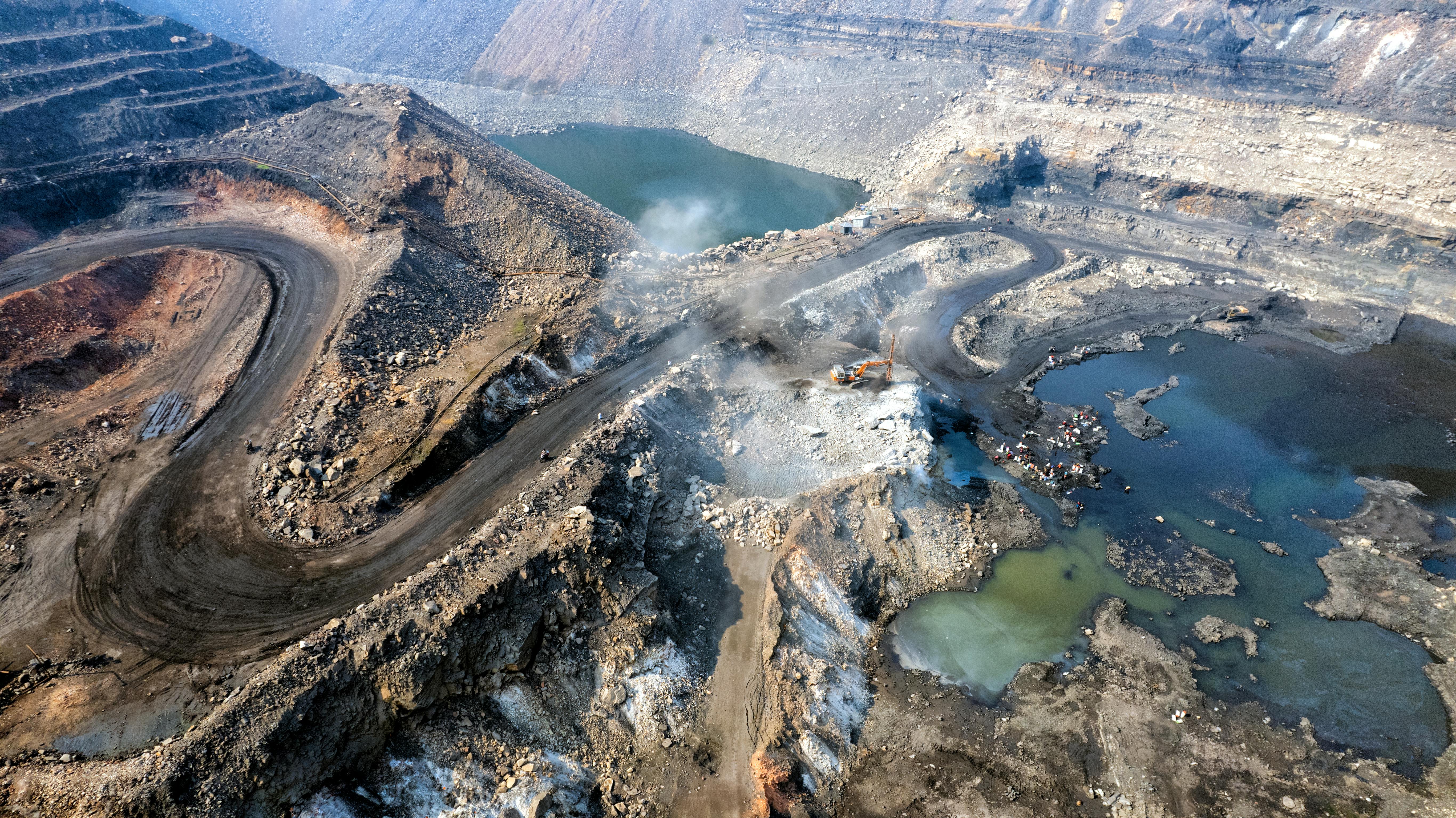
Photograph: Siphetha / Wikimedia Commons (CC BY-SA 4.0)
The Shift Toward Domestic Value
Nigeria is aggressively pivoting its mining sector toward domestic value addition, a move underscored by the July 2026 commissioning of a major lithium processing plant in Nasarawa State. With a capacity to process six thousand tonnes of ore daily, the facility represents a two hundred and fifty million dollar bet on the country’s ability to capture more of the battery supply chain. The Nigerian Solid Minerals Company, established as a centralized one-stop shop, is now the primary vehicle for streamlining these industrial ambitions, aiming to replace the traditional extract-and-ship model with a more sustainable, job-creating framework.
Commercial Analysis and Investor Risks
For international operators, the regulatory environment is shifting from a focus on exploration to a mandate for local refinement. While the government argues that this strategy will strengthen local economies and position Nigeria as a key player in the global critical minerals market, investors remain cautious. The primary risk lies in the infrastructure gap; processing minerals requires reliable power and logistics, which remain inconsistent in many regions. Furthermore, the success of this policy depends on whether the government can maintain a predictable regulatory climate while enforcing these new, more stringent requirements.
The Competitive Landscape
Nigeria is not alone in this pursuit. Across the continent, countries like Ghana and Sierra Leone are also tightening their terms for mineral exports. However, Nigeria’s advantage lies in its diverse mineral wealth, including cobalt, copper, and iron ore. The challenge for the Nigerian Solid Minerals Company will be to balance these high-level policy goals with the practical realities of private capital, which often seeks lower-risk environments. If the Nasarawa plant proves successful, it could serve as a blueprint for other states, but failure to provide the necessary energy and transport infrastructure could lead to a standoff with international mining firms.
What to Watch Next
The coming months will be critical as the government evaluates the performance of its new licensing framework. Investors should monitor whether the state can successfully attract the necessary technological partnerships to scale these processing facilities. The ability of the Nigerian government to provide long-term financing and stable energy will be the ultimate test of whether this ambitious industrial strategy can survive the pressures of the global market.
Industry Discussion
Share your perspective and engage with fellow industry professionals. Constructive debate strengthens our understanding of the forces shaping African industry.
Join the Debate
No comments yet.
Be the first to present your perspective and start the debate.
Continue Reading