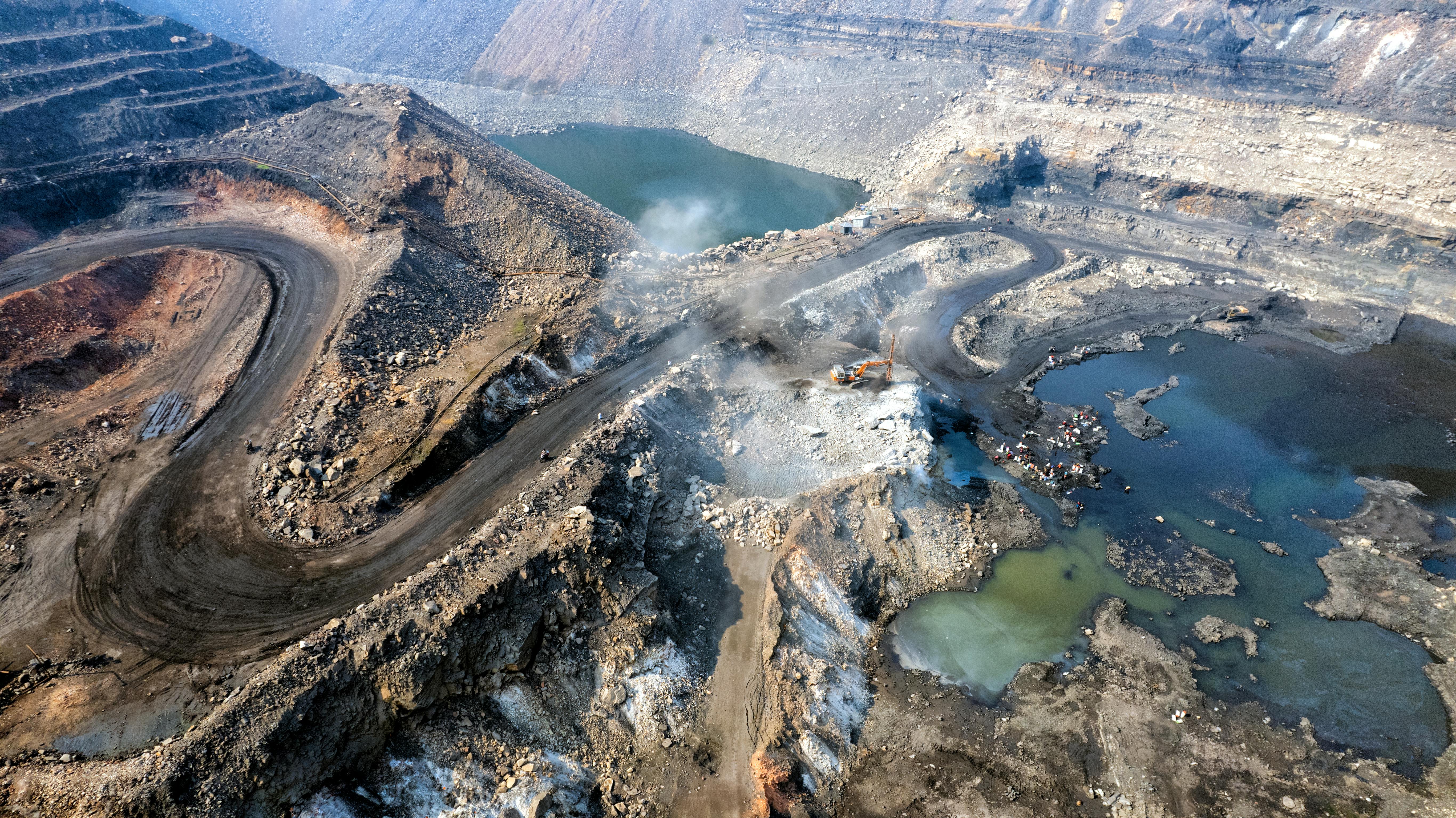
Photograph: Pexels
Kinshasa’s Supply-Side Gamble
The Democratic Republic of Congo (DRC) has fundamentally altered the mechanics of the global battery metals market. By enforcing a strict export quota system on cobalt hydroxide, limiting annual exports to 96,600 metric tons for 2026 and 2027, the government in Kinshasa has effectively rebalanced global supply at the expense of major international operators. The most visible casualty of this policy is mining giant Glencore, which recently reported a staggering 52% decline in its cobalt output. This contraction is not merely a operational hiccup but a direct consequence of the DRC’s intensifying efforts to exert sovereign control over its strategic mineral wealth.
The Cartel-Like Effect
While the DRC government maintains that its policies are designed to stabilize prices and maximize national returns, the market impact has been profound. With the DRC supplying roughly 70% of the world’s mined cobalt, the combination of these quotas and the overwhelming dominance of Chinese refiners has created a market structure that functions with the characteristics of a cartel. Chinese firms, which refined 78% of the world’s cobalt in 2024, have demonstrated an ability to absorb supply shocks that Western companies struggle to navigate. For investors, this creates a complex landscape where ownership of a mining asset no longer guarantees control over the timing or volume of supply.
Investor Uncertainty and Regulatory Risk
The regulatory environment in the DRC has become increasingly volatile for foreign capital. Beyond the export quotas, the government is pushing for a broader overhaul of the 2018 Mining Code, aiming to strengthen state oversight and expand local content requirements. Industry groups, including the Chamber of Mines, have warned that this climate of uncertainty risks deterring Western investment just as the global energy transition demands a massive increase in mine capacity. The government’s recent move to suspend the chief of the state agency for artisanal mining (SAEMAPE) as part of a crackdown on illegal operations further underscores the administration's intent to centralize control over the entire value chain.
What to Watch Next
For operators and investors, the focus must now shift toward navigating these new contractual realities. The DRC’s push for local value addition, exemplified by recent efforts to formalize artisanal and small-scale mining (ASM) and the push for domestic processing, is likely to remain a permanent feature of the landscape. While Gécamines, the state-owned mining firm, continues to signal that the country remains open to all partners, the reality is that the cost of doing business is rising. Investors should monitor the progress of the proposed mining law reforms and the potential for further disputes over legacy agreements. As the global deficit for cobalt is projected to reach approximately 10,700 tonnes in 2026, the ability of companies to adapt to Kinshasa’s interventionist strategy will be the primary determinant of their long-term viability in the region.
Industry Discussion
Share your perspective and engage with fellow industry professionals. Constructive debate strengthens our understanding of the forces shaping African industry.
Join the Debate
No comments yet.
Be the first to present your perspective and start the debate.
Continue Reading

