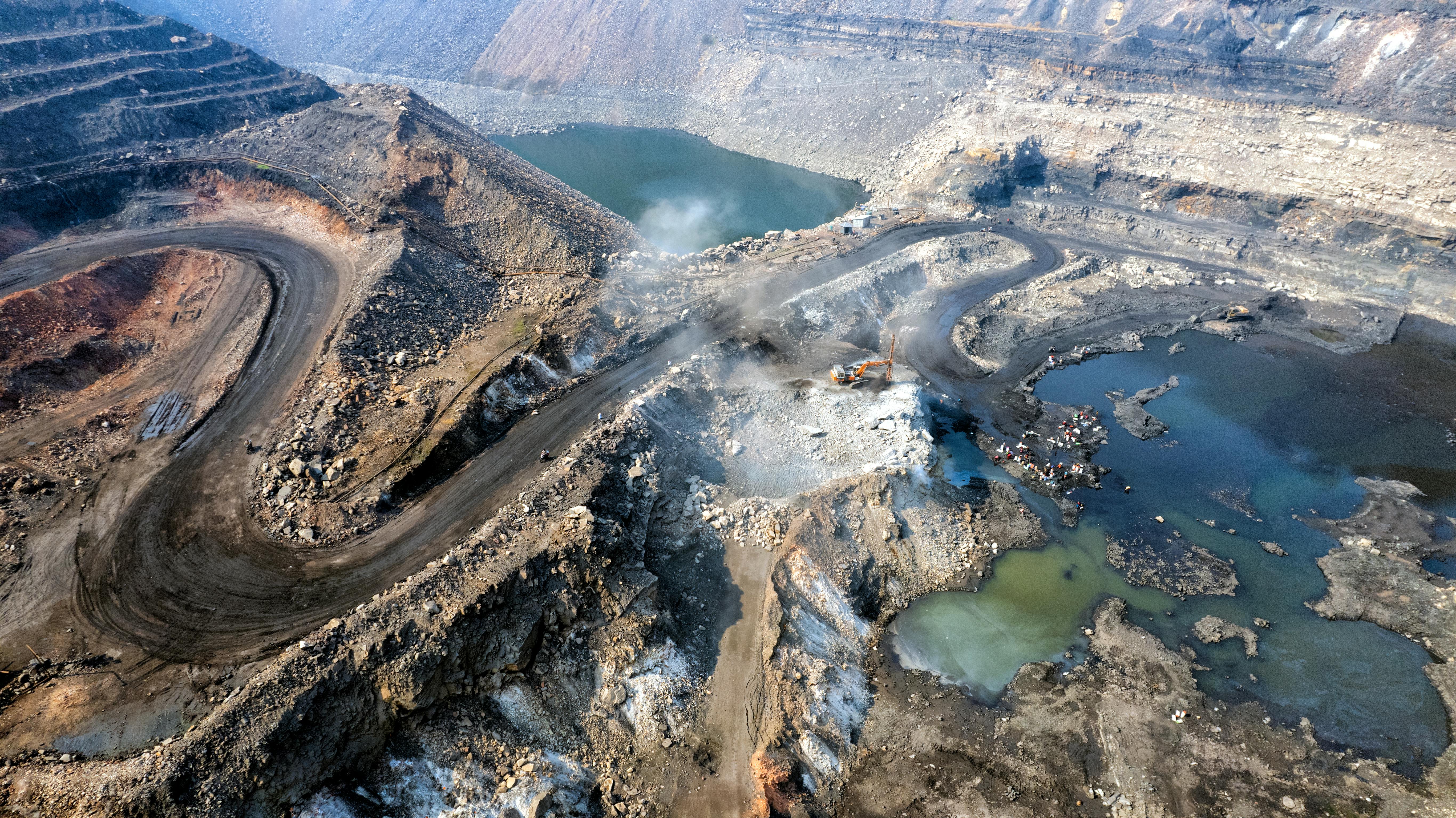
Photograph: The International Institute for Environment and Development / Wikimedia Commons (CC BY 2.5)
The DRC’s Digital Pivot
The Democratic Republic of the Congo is attempting a radical overhaul of its mining sector, aiming to shed its reputation for opacity and illicit mineral flows. In June 2026, the government launched a specialized 'mining guard' and accelerated digitalization projects to track mineral provenance from artisanal sites to export hubs. Jean-Marie Kanda, senior advisor on critical minerals to the presidency, has framed these reforms as a necessary evolution to attract a broader coalition of partners beyond the traditional dominance of Chinese firms. The government is actively courting capital from the United States, Canada, and Europe, hoping that improved traceability will satisfy the stringent ESG requirements of Western institutional investors.
The Transparency Dilemma
While the government’s commitment to the Extractive Industries Transparency Initiative (EITI) is a positive signal, the reality on the ground remains complex. The three-month suspension of mining activities in South Kivu earlier this year, intended to disrupt illegal supply chains, highlighted the tension between state control and the livelihoods of thousands of artisanal miners. Critics argue that without addressing the underlying governance weaknesses and infrastructure bottlenecks identified by the IMF, these top-down reforms may struggle to gain traction. Investors are watching closely to see if the 'mining guard' acts as a genuine regulatory body or merely adds another layer of bureaucratic friction.
A Competitive Landscape
The DRC’s push for diversification comes at a time when Western companies are increasingly cautious about their exposure to Chinese-dominated supply chains. However, the historical trend of Western firms selling assets to Chinese buyers, a pattern that has defined the last decade, is not easily reversed. For the DRC to succeed, it must prove that its regulatory environment is not only transparent but also commercially stable. The competition for cobalt and copper remains fierce, and while the DRC holds the world’s largest reserves, it is competing against other jurisdictions that offer more predictable legal frameworks.
What to Watch Next
The success of these reforms will likely be measured by the volume of non-Chinese investment that enters the country over the next eighteen months. If the government can demonstrate that its digital tracking systems effectively reduce corruption and increase tax revenue, it may unlock new financing from development banks. However, if the reforms lead to further supply chain disruptions or are perceived as politically motivated, the country risks alienating the very investors it seeks to attract. The coming year will be a litmus test for whether the DRC can transform its mineral wealth into a stable, transparent engine for national development.
Industry Discussion
Share your perspective and engage with fellow industry professionals. Constructive debate strengthens our understanding of the forces shaping African industry.
Join the Debate
No comments yet.
Be the first to present your perspective and start the debate.
Continue Reading