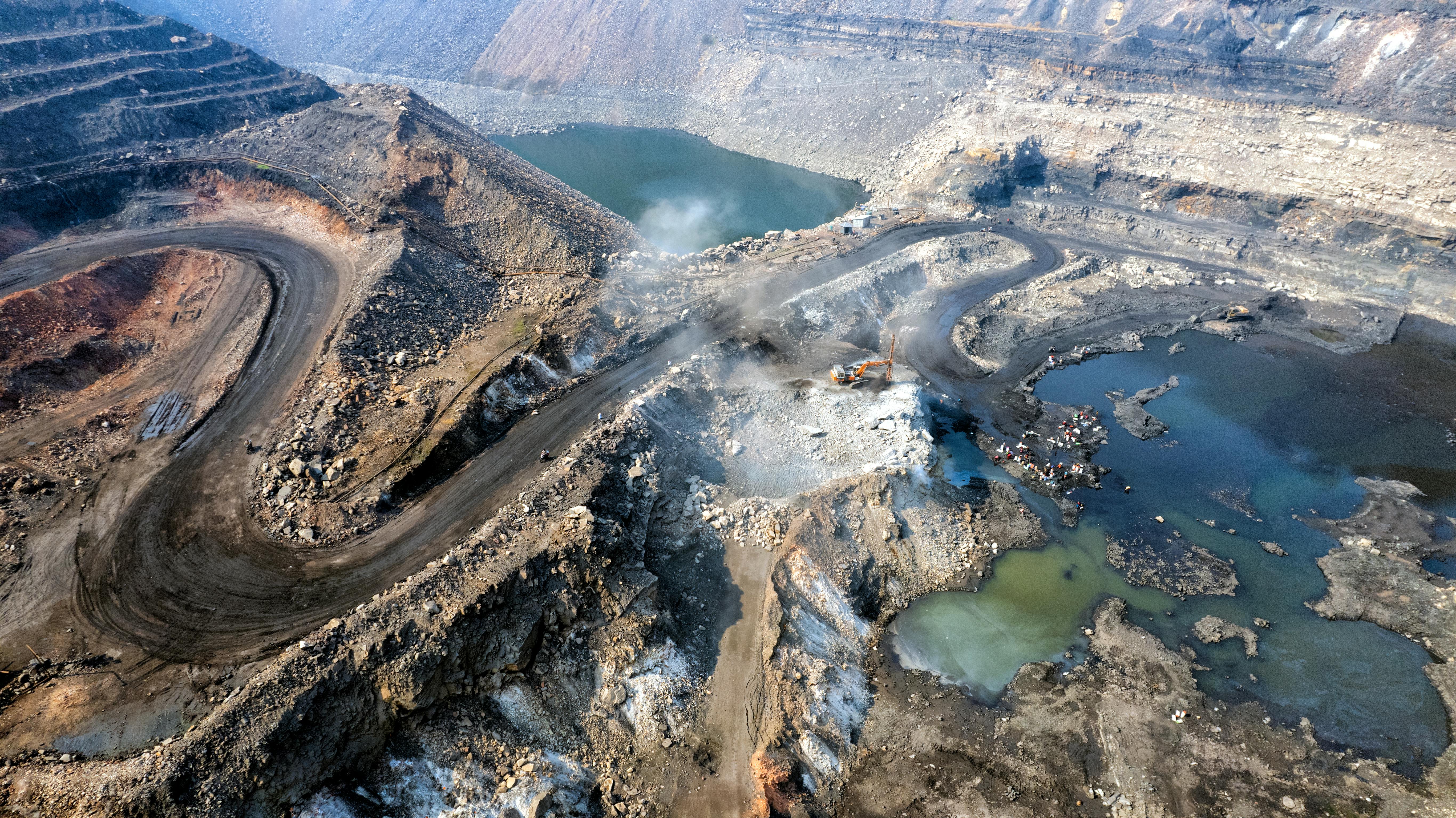
Photograph: The original uploader was Snow storm in Eastern Asia at English Wikipedia . / Wikimedia Commons (CC BY 3.0)
The High-Stakes Transition to Domestic Processing
As the January 2027 deadline for a total ban on raw lithium concentrate exports approaches, Zimbabwe finds itself at a pivotal juncture in its industrial history. The government’s assertive push to force local beneficiation is designed to move the country beyond its traditional role as a mere supplier of raw ore to the global battery supply chain. By compelling mining firms to invest in domestic refining capacity, Harare aims to capture a significantly larger share of the value chain. However, the transition is proving to be a complex, high-stakes gamble that pits ambitious national policy against the harsh realities of infrastructure deficits and the volatile economics of the global lithium market.
The Infrastructure and Logistics Bottleneck
The success of Zimbabwe’s beneficiation strategy is inextricably linked to its ability to move processed goods to international markets. Currently, the country’s logistics network is under immense strain. While lithium exports generated approximately US$782 million in the first half of 2026—more than tripling the figures from the same period in 2025—the reliance on road transport remains a significant cost driver. Efforts to revitalize rail freight, such as the recent collaboration between the National Railways of Zimbabwe and private operators to move concentrate to the Port of Maputo, highlight the urgent need for systemic upgrades. Without a robust, reliable rail network, the cost of exporting refined lithium sulfate could erode the very margins the government hopes to capture through local processing.
Chinese Capital and the Regulatory Tightrope
Chinese companies remain the dominant force in Zimbabwe’s lithium sector, having invested over one billion dollars since 2021. Major players including Huayou Cobalt, Sinomine, and Yahua Group are currently navigating the government’s shifting regulatory landscape, which has seen a series of export bans and quota adjustments since early 2026. While these firms possess the technical expertise and capital required to build the necessary sulfate plants, the policy environment has introduced a layer of uncertainty. Investors are now balancing the long-term potential of the Zimbabwean market against the immediate risks of supply chain disruptions and the high capital expenditure required to meet the 2027 deadline. The government’s ability to maintain a stable, predictable regulatory framework will be the deciding factor in whether these companies continue to commit to local processing or seek more flexible jurisdictions.
The Global Market and Future Outlook
Looking ahead, the global lithium market is watching Zimbabwe closely. With the country accounting for roughly 80 percent of Africa’s mined lithium output, any disruption in its supply chain has immediate consequences for Chinese converters and the broader electric vehicle battery industry. Analysts warn that if the 2027 ban is implemented without sufficient domestic processing capacity, there could be a stage-specific feedstock gap in the global market. For Zimbabwe, the goal is to prove that its policy of value addition is not merely an aspirational objective but a viable economic model. As the country assumes the chairmanship of COMESA, it is positioning itself as a regional leader in the push for industrialization, hoping to leverage a market of over 600 million consumers to scale its manufacturing ambitions. Whether this strategy succeeds will depend on the government’s ability to bridge the gap between policy rhetoric and the practical, on-the-ground execution of industrial infrastructure.
Industry Discussion
Share your perspective and engage with fellow industry professionals. Constructive debate strengthens our understanding of the forces shaping African industry.
Join the Debate
No comments yet.
Be the first to present your perspective and start the debate.
Continue Reading